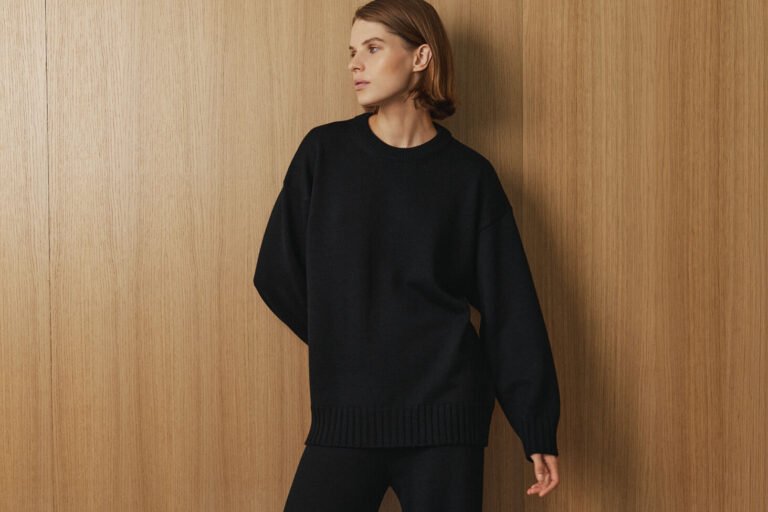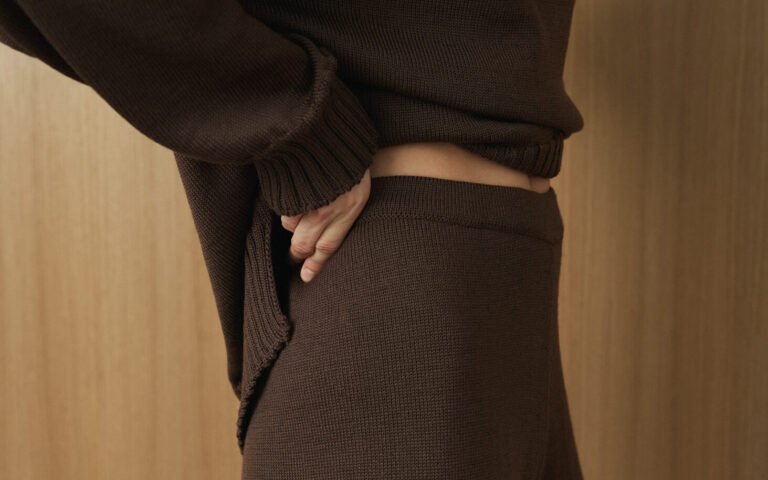
PERKANT 2 AR DAUGIAU GAMINIŲ – 20 % NUOLAIDA AUTOMATIŠKAI

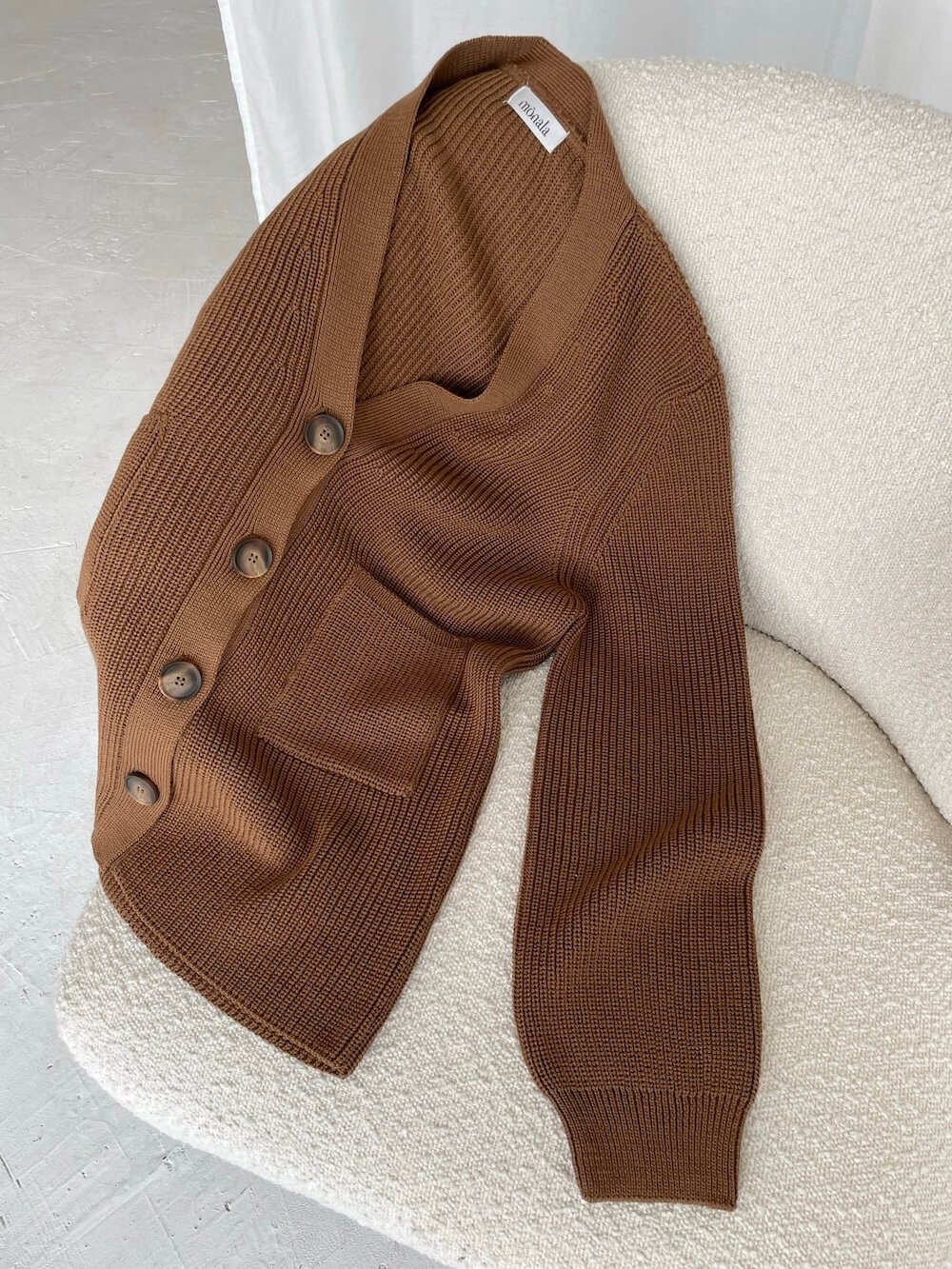
Merino vilna – vienas universaliausių natūralių drabužiams naudojamų pluoštų. Ji švelni, laidi orui ir patogi kintant temperatūrai, todėl ypač tinka mezginiams, kuriuos norisi dėvėti dažnai ir ilgai.
But kas yra merino vilna, ir kuo ji skiriasi nuo kitų vilnos rūšių?
Nuo švelnumo ir temperatūros reguliavimo iki laidumo orui ir natūralaus elastingumo – septynios priežastys, kodėl merino vilna taip vertinama kasdieniuose drabužiuose.
Kas yra merino vilna?
Merino vilna gaunama iš merinosų avių ir pasižymi ypač plonais pluoštais.
Palyginti su daugeliu tradicinių vilnos rūšių, ploni merino pluoštai lengviau linksta liesdamiesi su oda. Todėl aukštos kokybės merino vilna gali būti pastebimai švelnesnė ir patogesnė dėvėti.
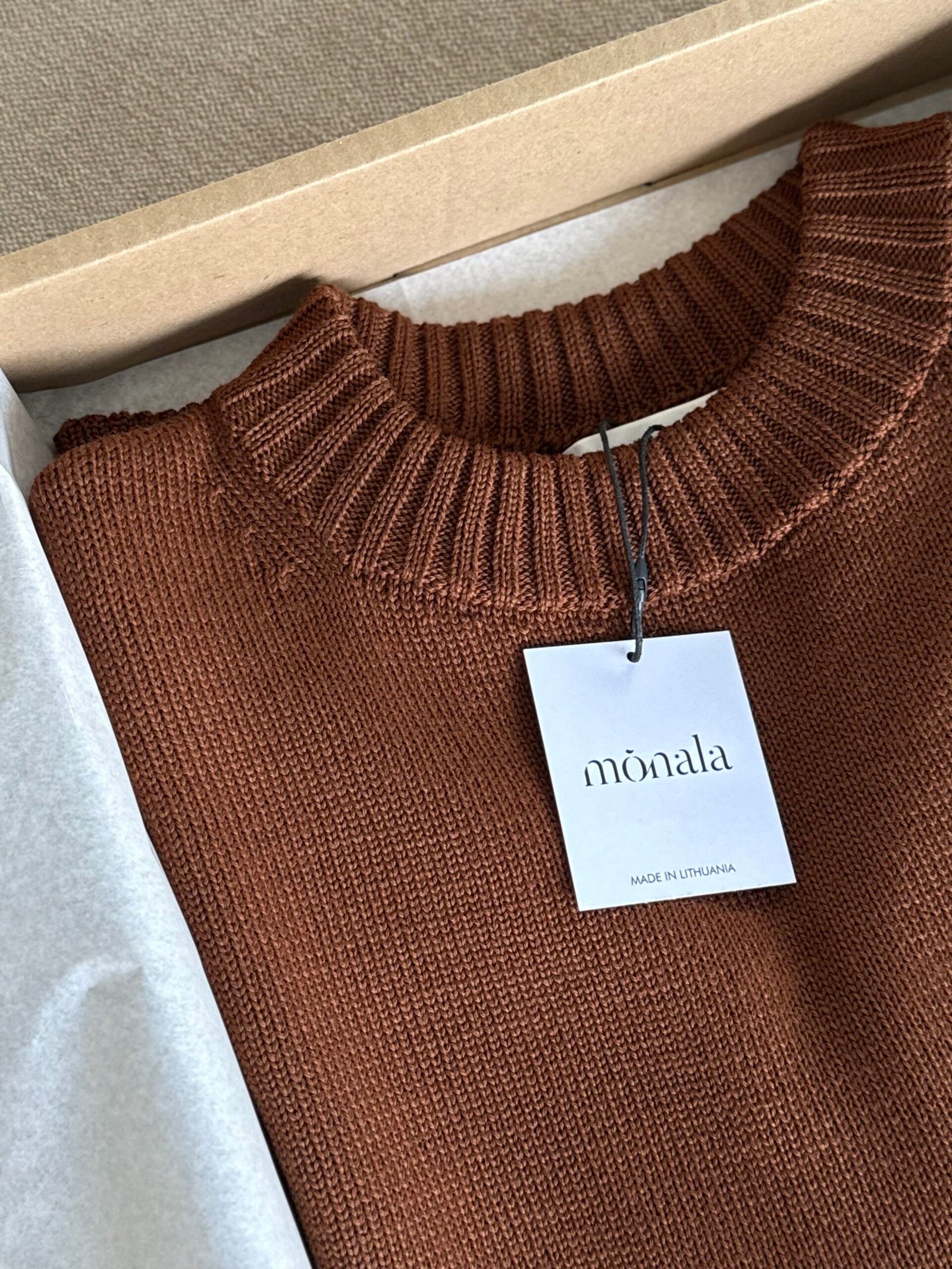
Monala mezginiams renkuosi 100% extra fine merino vilna kad sukurčiau kasdienai skirtus mezginius – nuo megztinių ir kardiganų iki kelnių, sijonų bei suknelių.
Merino vilna natūraliai švelni
Vienas pirmųjų dalykų, kuriuos pastebėsite prisilietę prie merino vilnos, – jos švelnumas.
Merino pluoštai gali būti gerokai plonesni už įprastos šiurkščios vilnos pluoštus, todėl liesdamiesi su oda lengviau linksta.
Dėl to plona merino vilna ypač tinka megztiniams, suknelėms, palaidinėms ir kitiems prie kūno dėvimiems drabužiams.
Vis dėlto merino vilnos kokybė skiriasi, todėl svarbus ir pluošto plonumas, ir siūlų kokybė.
Merino vilna padeda reguliuoti kūno temperatūrą
Vilna natūraliai padeda palaikyti tinkamą mikroklimatą tarp kūno ir drabužio.
Banguoti vilnos pluoštai sudaro mažas oro ertmes, kurios padeda išlaikyti šilumą, o pats pluoštas sąveikauja su aplinkos drėgme.
Todėl merino vilna gali šildyti atvėsus orui, tačiau drabužis nebūtinai turi būti sunkus ar storas.
Kasdienėje aprangoje tai ypač naudinga pereinamaisiais sezonais, kai temperatūra per dieną keičiasi.
Merino vilna laidi orui
Šiluma nebūtinai reiškia storą ir sunkų audinį.
Merino vilna gali sugerti drėgmės garus dar prieš jiems virstant skysčiu ant odos. Tinkama mezginio struktūra padeda sukurti kasdien patogius drabužius.
Tai viena priežasčių, kodėl merino vilna naudojama ne tik žieminiams megztiniams.
Plonus merino mezginius galima sluoksniuoti rudenį ir žiemą, o pavasarį ar vėsesnėmis vasaros dienomis dėvėti kaip lengvą viršutinį sluoksnį.
Merino vilna padeda reguliuoti drėgmę
Dar viena naudinga vilnos savybė – gebėjimas sugerti ir išskirti drėgmės garus.
Tai padeda reguliuoti drėgmę prie odos ir suteikia vilnoniams drabužiams būdingą komforto pojūtį.
Ši savybė ypač vertinga drabužiams, kuriuos norisi dėvėti visą dieną, o ne tik ypatinga proga.
Merino vilna natūraliai elastinga
Vilnos pluoštai natūraliai banguoti, todėl gali lankstytis ir atgauti formą.
Tinkamai numegztas ir prižiūrimas audinys dėl šio natūralaus elastingumo patogiai prisitaiko prie judesių ir geriau išlaiko formą.
Priežiūra taip pat svarbi. Storesnius mezginius geriau laikyti sulankstytus, o ne ilgai kabinti ant pakabos, nes jų svoris ilgainiui gali pakeisti formą.
Merino vilna – natūralus pluoštas
Merino vilna yra atsinaujinantis natūralus avių pluoštas.
Skirtingai nei iš iškastinių žaliavų gaminami sintetiniai pluoštai, vilna yra baltyminės kilmės ir tinkamomis aplinkos sąlygomis biologiškai skaidi.
Tačiau tai nereiškia, kad visi vilnoniai drabužiai daro vienodą poveikį aplinkai. Svarbu vilnos kilmė, gamybos būdas, dėvėjimo dažnumas ir drabužio naudojimo trukmė.
Man natūralaus pluošto pasirinkimas neatsiejamas nuo siekio kurti mažiau universalių drabužių, skirtų ne vienam sezonui, o ilgam dėvėjimui.
Merino vilna tinka dėvėti vėl ir vėl
Universalus drabužis neturėtų reikalauti aplink jį kurti visiškai naujo derinio.
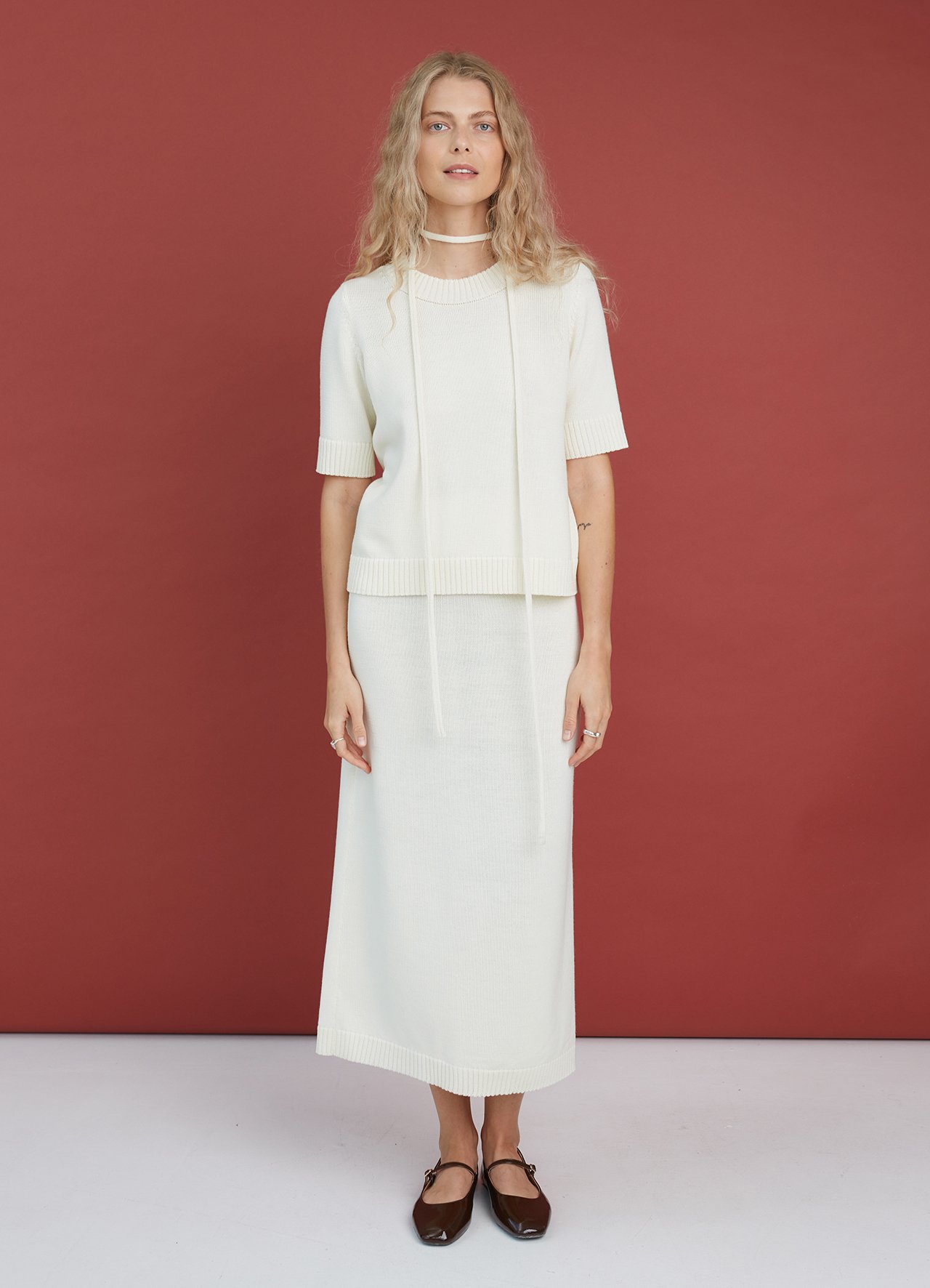
Neutralių spalvų merino mezginius lengva derinti įvairiai: megztinį su megztomis kelnėmis, kardiganą su sijonu ar atskirus drabužius su tuo, ką jau turite spintoje.
Dėl šio universalumo vis grįžtu prie tokių spalvų kaip ruda, smėlinė, kreminė ir juoda.
Užuot sekusi trumpalaikes tendencijas, renkuosi paprastus siluetus, tinkamus ne vienam sezonui.
Ar merino vilna kandžiojasi?
Tai vienas dažniausių klausimų apie vilną.
Ar vilna dirgina odą, iš dalies priklauso nuo pluošto plonumo ir individualaus odos jautrumo. Šiurkštesni vilnos pluoštai dažniau sukelia dilgčiojimą, kurį daugelis sieja su įprasta vilna.
Ploni ir ypač ploni merino pluoštai yra švelnesni ir lankstesni, todėl merino vilna dažnai pasirenkama drabužiams, dėvimiems tiesiai ant odos.
Vis dėlto kiekvieno žmogaus oda skirtingai jautri, todėl negalima garantuoti, kad bet kokia vilna visiems bus vienodai maloni.
Ar merino vilna šilta?
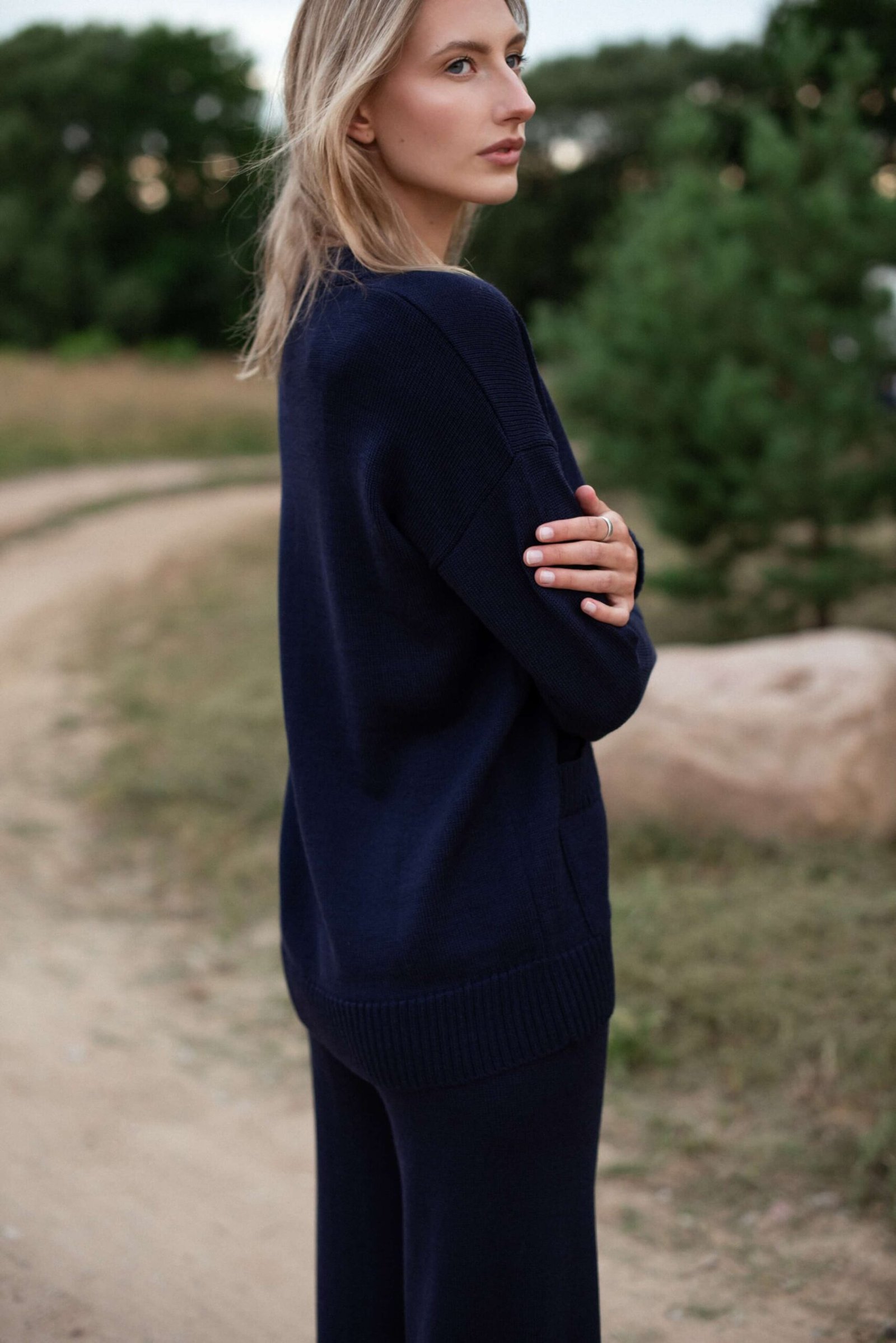
Taip, merino vilna gali puikiai sulaikyti šilumą net būdama lengva.
Natūralus vilnos pluoštų banguotumas sudaro mažas oro ertmes, padedančias sumažinti šilumos nuostolius. Be to, vilnos gebėjimas reguliuoti drėgmę suteikia komforto kintant aplinkos sąlygoms.
Drabužio šiluma priklauso ne tik nuo paties pluošto, bet ir nuo siūlų storio, mezgimo struktūros bei sluoksnių skaičiaus.
Ar merino vilną galima dėvėti visus metus?
Merino vilna dažnai siejama su rudeniu ir žiema, tačiau ji tinka ne vien šalčiausiems mėnesiams.
Storas merino vilnos megztinis ir lengva merino palaidinė pasižymi labai skirtingomis savybėmis.
Ploni merino drabužiai tinka pereinamiesiems sezonams ir vėsesnėms vasaros dienoms, o storesni mezginiai suteikia daugiau šilumos rudenį ir žiemą.
Todėl merino vilnos drabužiai gali tapti universaliu garderobo pagrindu, o ne tik vienam sezonui skirtais drabužiais.
Kaip prižiūrėti merino vilną?
Tinkama priežiūra padeda merino vilnos drabužiams ilgiau išsaugoti išvaizdą ir formą.
Vilnonių drabužių paprastai nereikia skalbti po kiekvieno dėvėjimo. Dažnai pakanka juos išvėdinti.
Kai skalbti būtina, visada laikykitės drabužio priežiūros nurodymų. Venkite per didelio karščio ir trinties, o šlapius mezginius džiovinkite horizontaliai, nepakabintus.
Daugiau patarimų rasite mano išsamiame merino vilnos mezginių priežiūros vadover.
Kodėl Monala mezginiams renkuosi 100 % ypač ploną merino vilną
Monala kūryboje medžiaga yra neatsiejama dizaino dalis.
Renkuosi 100% extra fine merino vilna nes noriu, kad mano mezginiai derintų švelnumą, patogumą ir universalumą su paprastais siluetais, kuriuos norisi dėvėti vėl ir vėl.
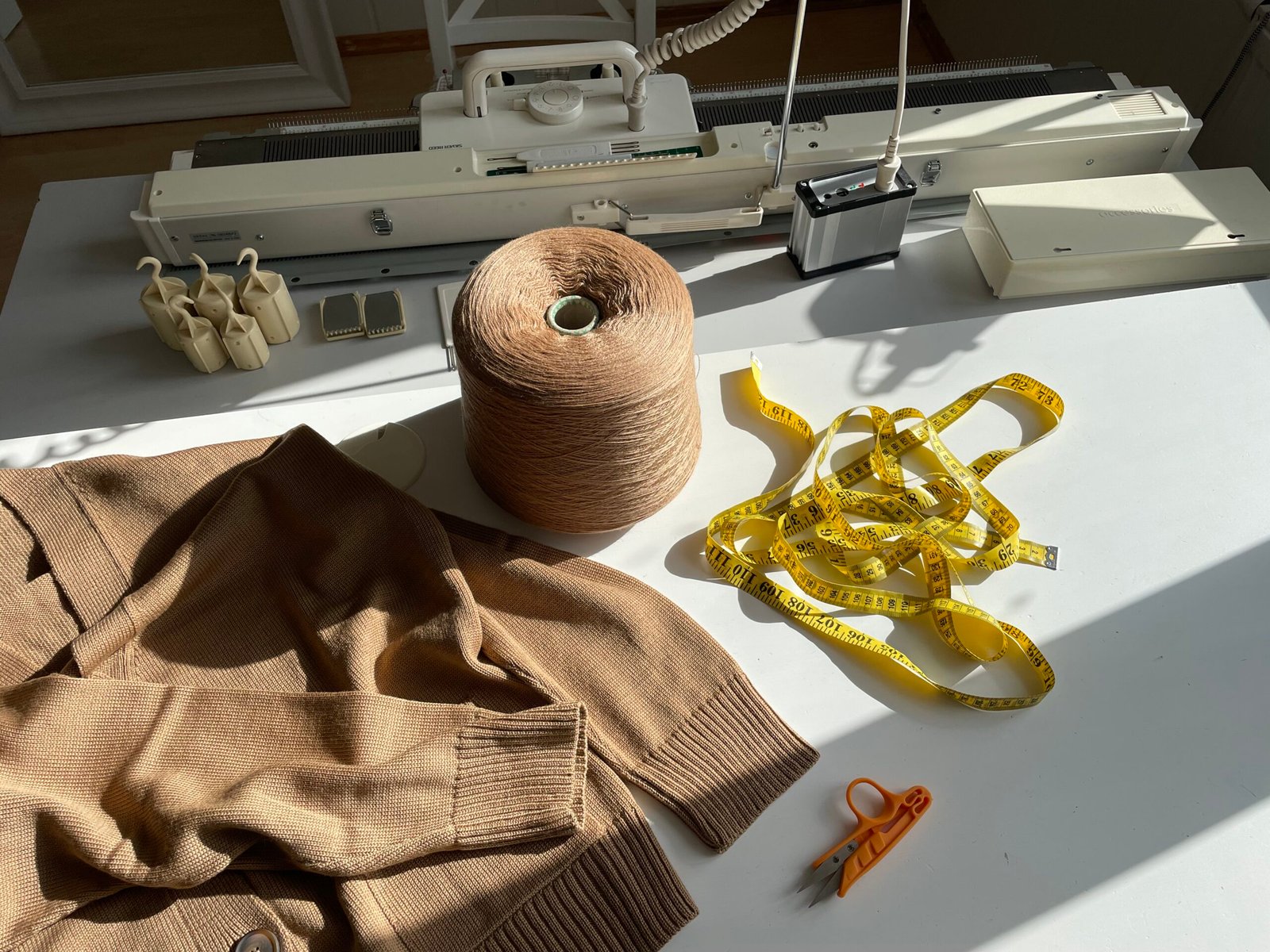
Monala mezginiai kuriami Lietuvoje nedideliais kiekiais, skiriant dėmesį kiekvieno drabužio mezgimui ir apdailai.
Megztinius, kardiganus, megztas kelnes, sijonus ir sukneles vienija ta pati mintis: jie turi derėti tarpusavyje ir natūraliai papildyti jau turimą garderobą.
Atraskite Merino vilnos mezginiai
Peržiūrėkite Monala merino vilnos megztiniai, megztas kelnes, kardiganai, sijonus ir suknelės, pagamintus iš 100 % ypač plonos merino vilnos ir skirtus kasdieniam dėvėjimui.